css-ipres
GovTech
Product Design
Dashboard
User Research

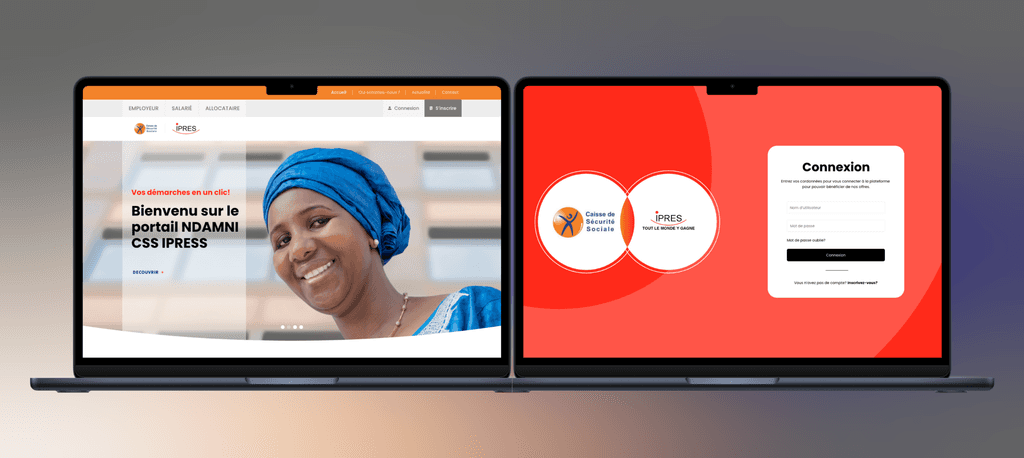
Role
Product Designer
Team
Solo Designer
Stakeholders
Government Agents · Operations Teams · IT
Tools
Adobe XD · Miro · Notion
Business Model
GovTech Platform
Timeline
4–6 weeks
Project Overview
Css-Ipres is a national GovTech web platform designed to digitize social security registration, validation, declarations, tracking, and payments.
The platform replaces traditional, office-based and cash-driven workflows with a secure, validation-first digital system, while respecting local adoption realities by offering flexible payment methods.
The solution is structured around two core deliverables:
1. A public educational web platform
2. A secure transactional platform for registered and validated users
Role & Responsibilities
Role:
Product Designer (End-to-End)
Responsibilities:
• User & field research
• UX strategy and product structure
• Public website design (education & onboarding)
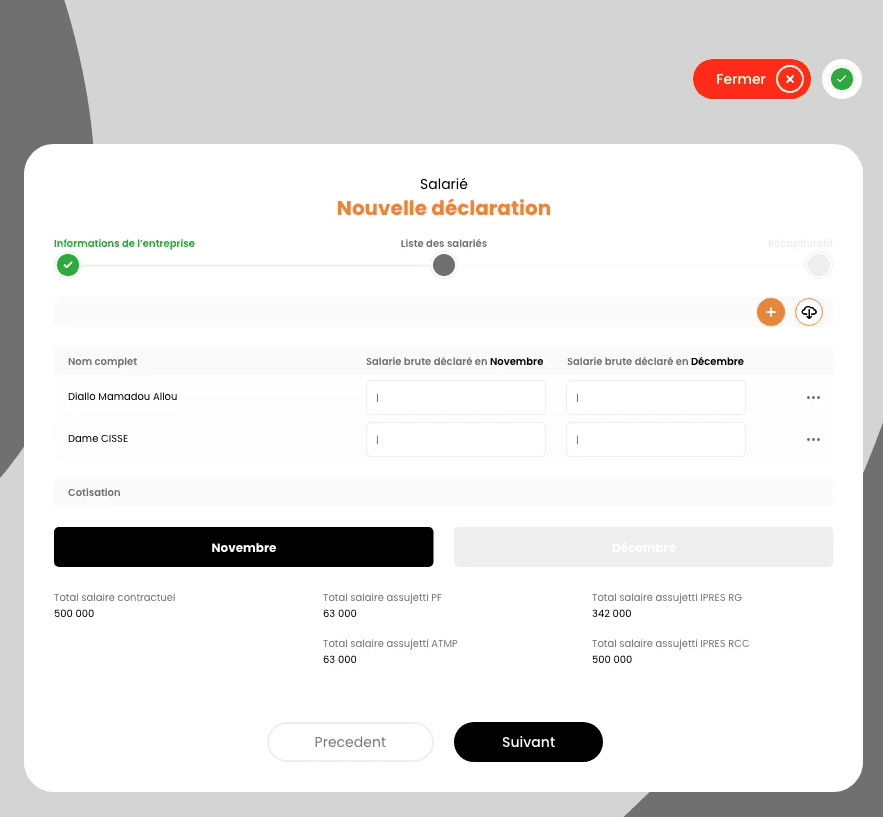
• Registration and validation flows
• Declaration, tracking, and payment journeys
• Dashboards (users & admin)
• Admin back-office UX for CSS agents
Context & Problem
Before Css-ipress:
• Declarations were done physically at government offices
• Payments were handled manually and in cash
• Users had no visibility on declaration or payment status
• Employers struggled to manage multiple employees
• Employees and beneficiaries could not track contributions
• A previous digital platform existed but failed adoption
The core challenge was trust, not access to technology.
Research & Discovery
Agent Interviews
I interviewed agents to understand:
• internal registration and validation workflows
• operational constraints
• pain points in manual processing
• reasons behind the failure of the previous platform
Local User Interviews (Senegal)
I also conducted field interviews with local Senegalese users.
What users described:
• declarations done physically at offices
• long waiting times
• cash payments
• repeated visits to check status
Users trusted people and offices, not systems.
Key Findings
Validation is the foundation of trust
Users need visibility, not just submission
Declarations must be digital-first
Payments must remain flexible
Public services must feel institutional and official
Product Strategy
To address these insights, Css-ipres was designed as a layered ecosystem:
• Educate first
• Enforce validation
• Enable online declarations
• Offer flexible payment options
• Provide long-term tracking
• Support institutional back-office workflows
Delivrables
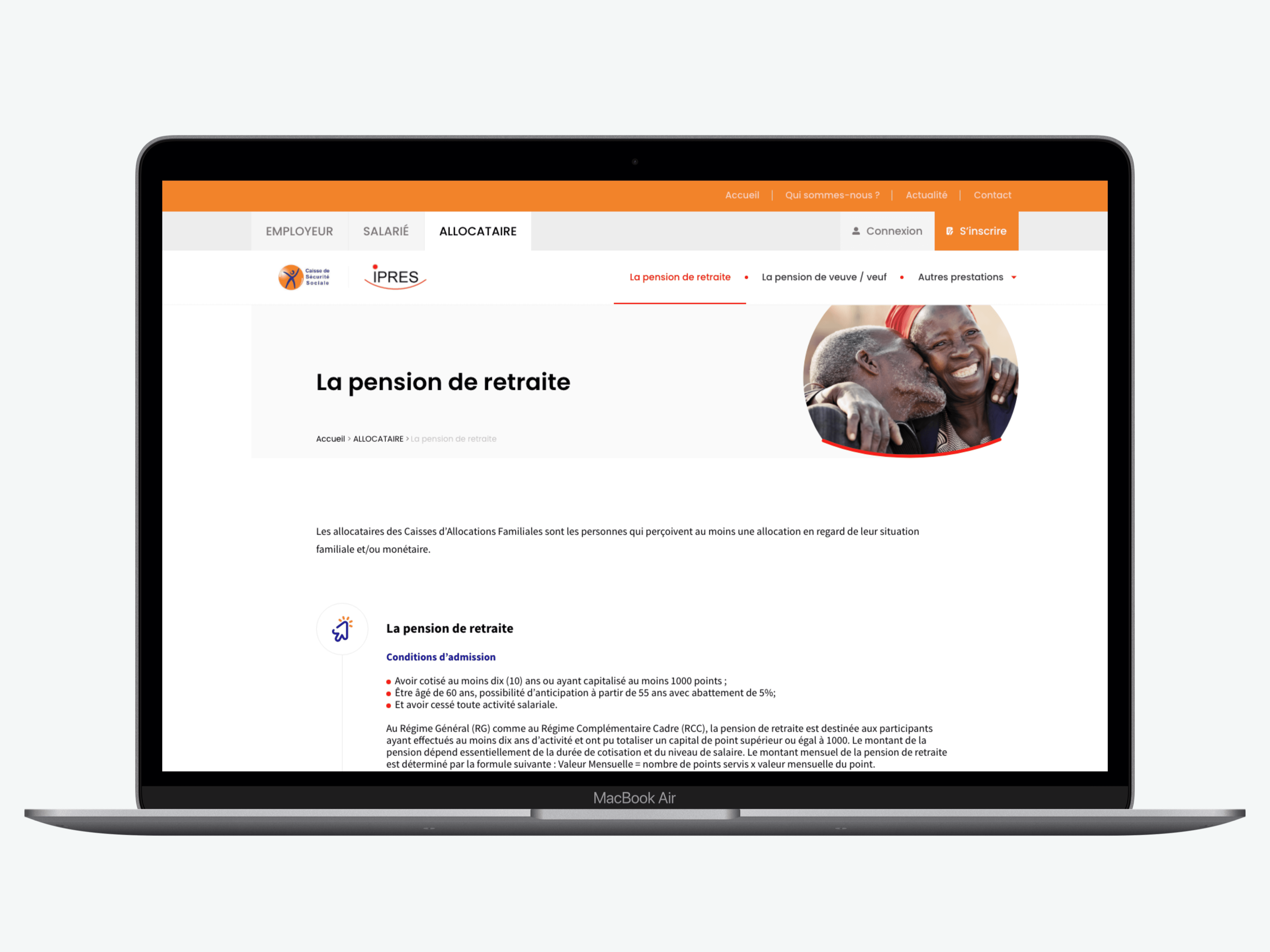
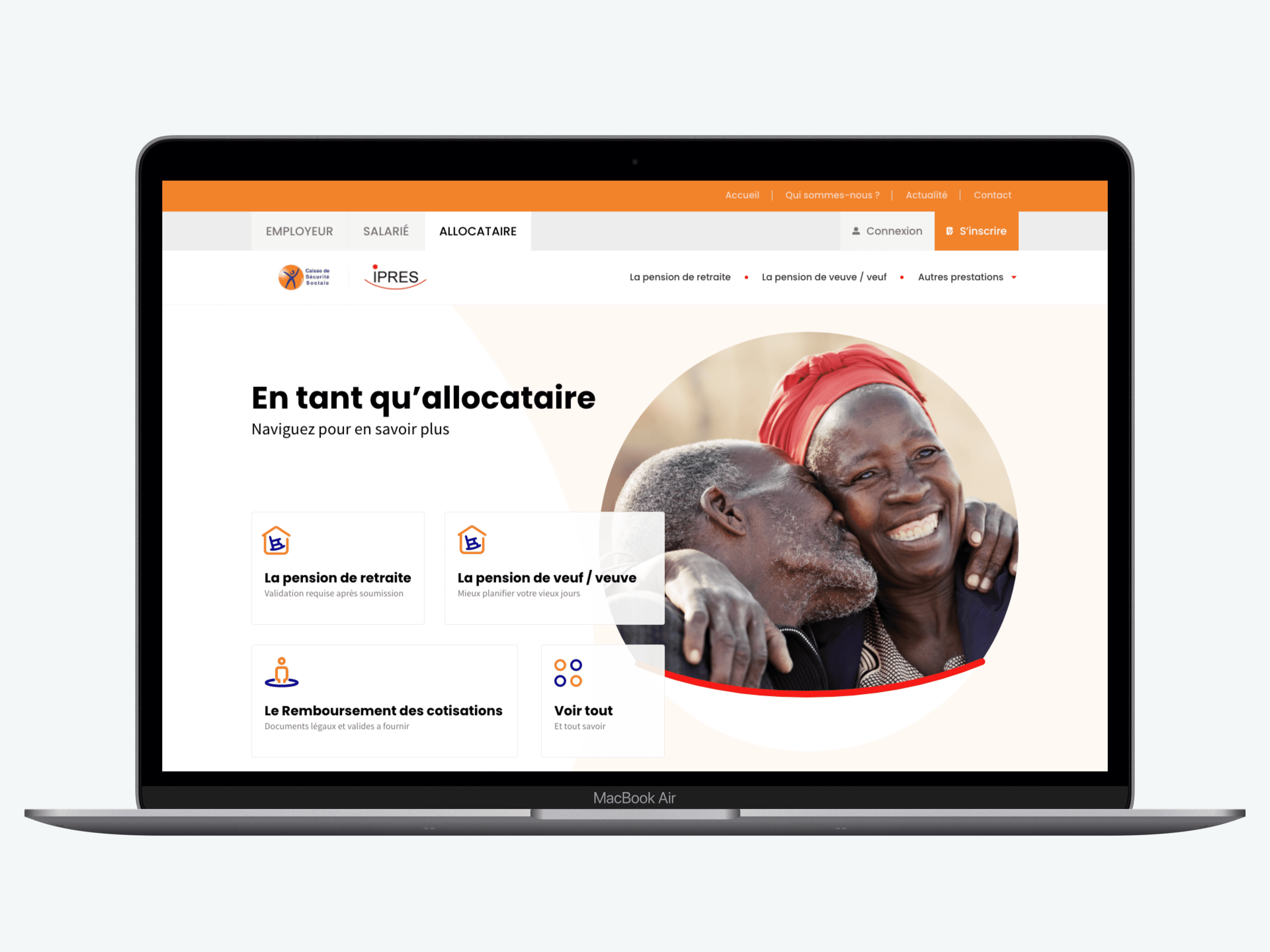
Public Web Platform : Education & Access
Purpose
The public platform serves as the education and trust layer.
It allows users to:
• understand why css-Ipres exists
• learn how social security declarations work
• follow official news and updates
• access the transactional platform
Core Features
• Educational content
• Institutional explanations
• News & platform updates
• Clear CTA to register or log in


Transactional Platform: Registration, Validation, Declarations & Payments
Core System Rule
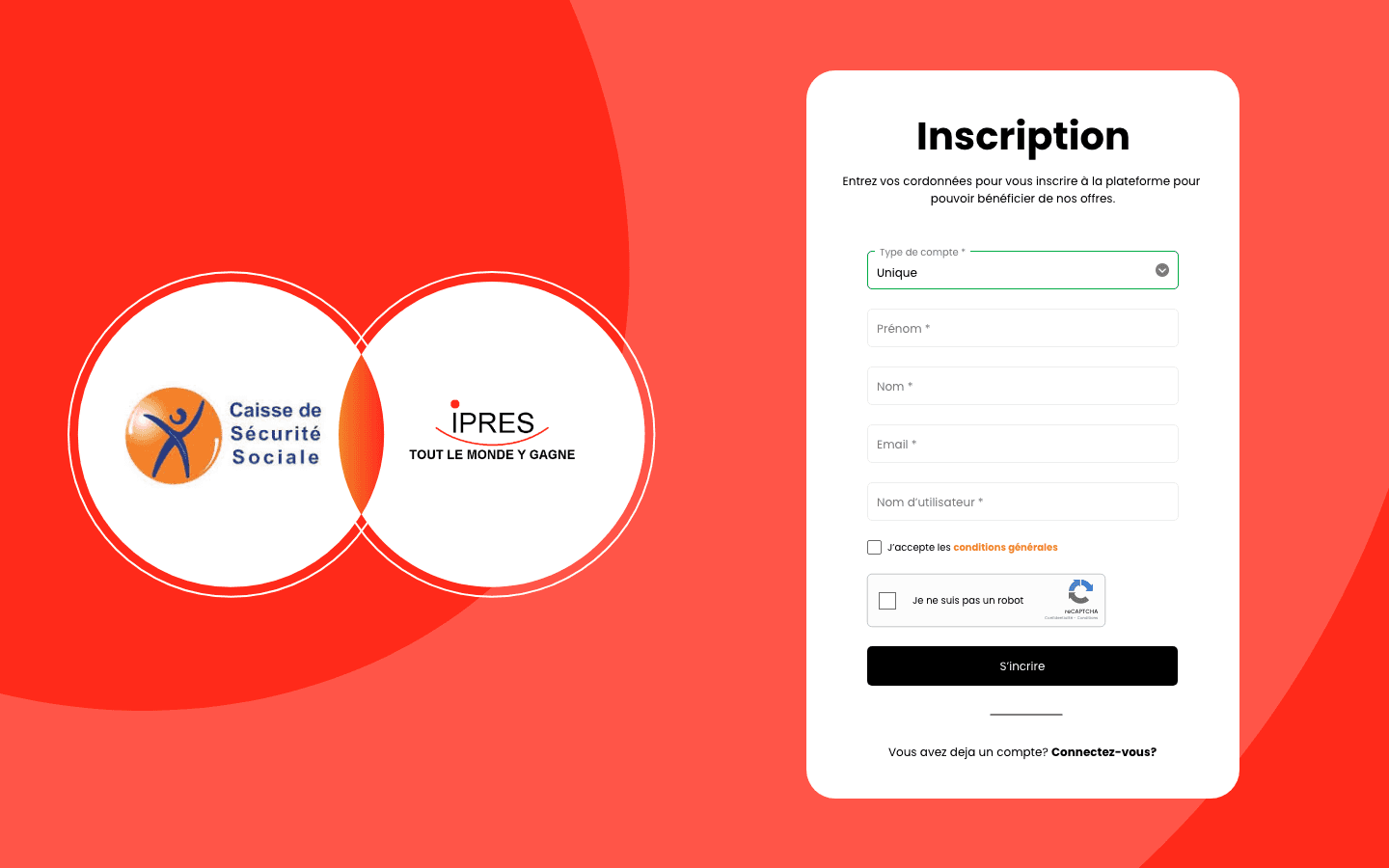
No declaration or payment is possible without prior registration and validation.
This rule governs the entire UX.
Step 1: Account Creation (Mandatory)
Step 2 : Submission for Validation
Step 3: Admin Validation (Back-Office)
Step 4: Validation Confirmation & Reference Number

Step 5: Status Tracking
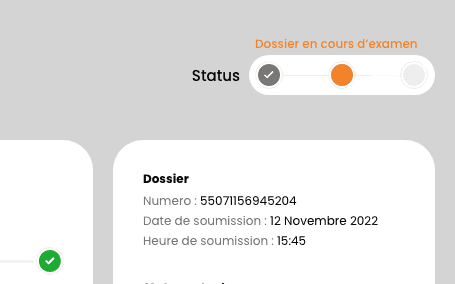
Step 6: Online Declarations (Unlocked After Validation)
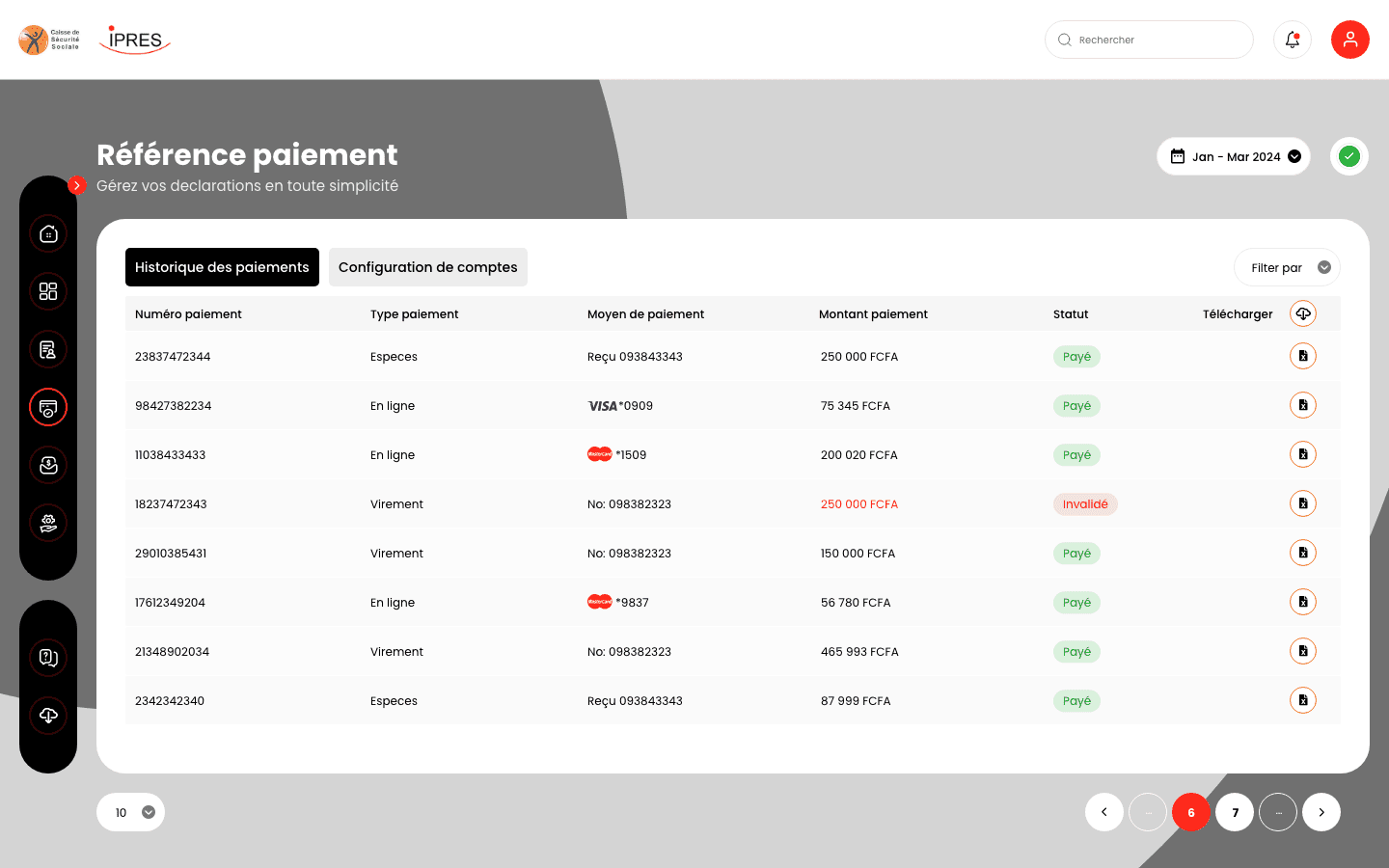
Step 7: Payments (Flexible & Inclusive)
Step 8: Dashboards & History
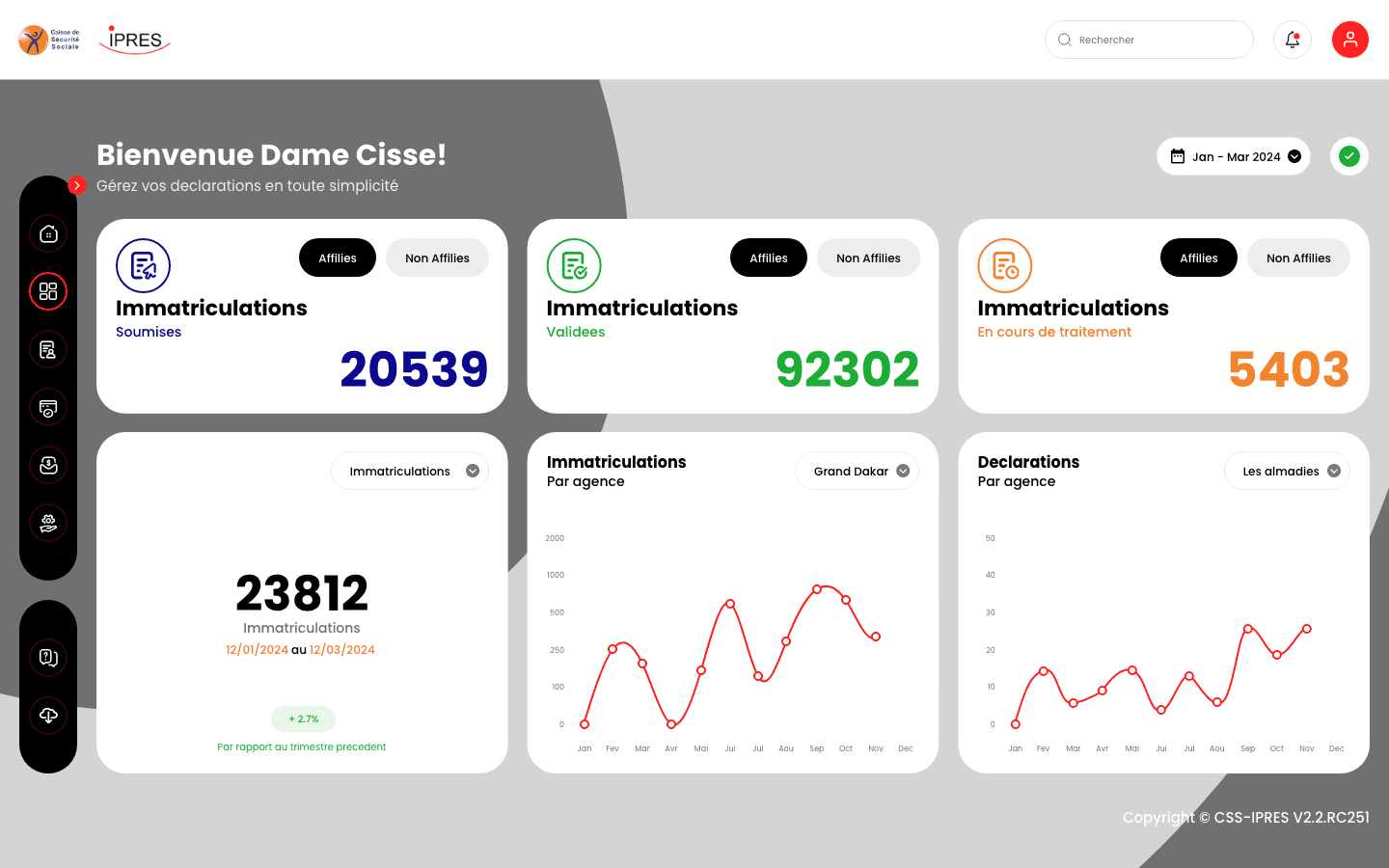
What This Project Demonstrates
GovTech & public service UX
Validation-first system design
Multi-role platform complexity
Trust and compliance-driven UX
End-to-end product ownership
Impact & Outcomes
Reduced dependency on physical offices
Enabled online declarations nationwide
Supported multiple payment methods
Improved transparency and trust
Allowed employers to manage declarations at scale
Provided long-term contribution tracking for employees and beneficiaries